Rainwater Harvesting Systems: Benefits, Setup, and Maintenance
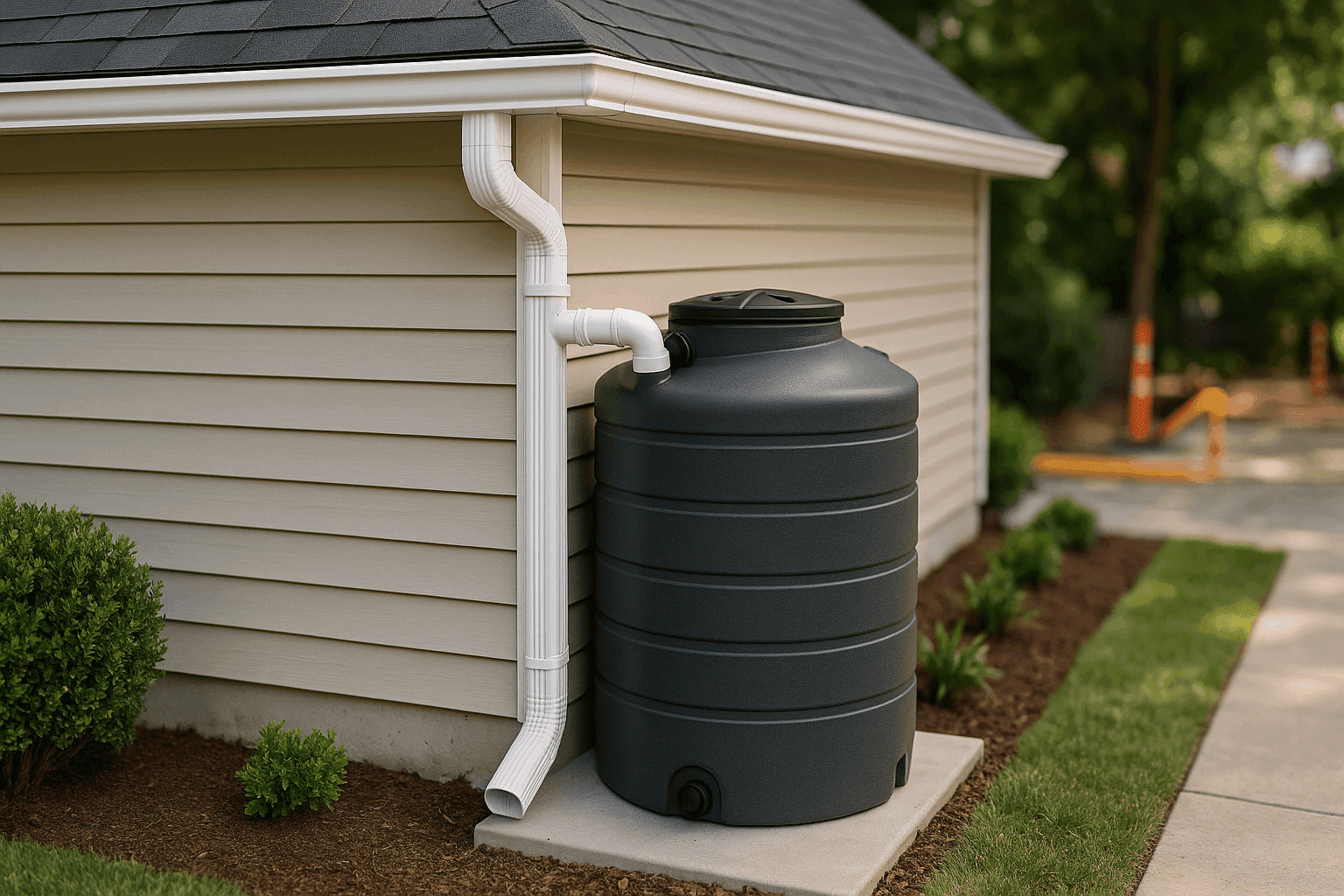
Rainwater is a resource that flows right over our heads. Most of the time, we let it slip away—lost to the storm drain, forgotten. But what if that rain could work for you, watering gardens, flushing toilets, or even topping up commercial landscaping? At Guru Gutter Gorilla, we see gutters not just as protectors of your property, but as powerful tools for sustainability.
Whether you run a busy business or cherish your home’s garden, rainwater harvesting is a forward-thinking step. Let’s break down why it matters, how to get started, and what it really takes to keep your system running smoothly.
Why Harvest Rainwater? The Benefits Are Bigger Than You Think
Capturing rainwater isn’t just trendy—it’s practical. Imagine lowering your water bill while helping the planet. Here’s what rainwater harvesting can do for you:
- Cut utility costs: Every gallon you collect is one less you pay for.
- Fight drought: Store water while it’s plentiful, use it when it’s not.
- Protect your foundation: Diverting water keeps basements dry and foundations safe.
- Boost property value: Eco-friendly upgrades stand out in today’s market.
- Support healthier landscapes: Rainwater is gentle on plants—no harsh chemicals.
And for businesses, it’s a win-win: save money, show your commitment to sustainability, and reduce your environmental footprint.
Anatomy of a Rainwater Harvesting System 🏡
A rainwater harvesting setup is like a team—each part has a job, and when one fails, the whole team struggles.
The Essentials:
- Gutters: These are your rain-catchers. Seamless, steel, aluminum, or copper—Guru Gutter Gorilla handles them all.
- Downspouts: Pipes that send water from the roof to the ground, or your storage tank.
- First-flush diverters: Devices that let the first dirty rainwater wash away, so only clean water is stored.
- Storage tanks: Barrels for small gardens, or underground cisterns for business complexes.
- Filters and screens: Keep out leaves, bugs, and debris.
- Gutter guards: Optional, but a lifesaver for maintenance and water quality.
Sizing Your System
Bigger isn’t always better. Calculate how much water you can realistically collect (roof size x average rainfall). Then, match your tank size and gutters accordingly. The EPA and local building codes offer guidelines—check them before you build.
Setting Up: The Basics
A proper rainwater setup isn’t rocket science, but it does require careful planning.
Step-by-step:
- Inspect your roof and gutters. Are they clean, rust-free, and sloped correctly? Fix any issues first.
- Install or upgrade gutters and downspouts. Consider materials based on lifespan and your climate.
- Add screens and first-flush diverters. These keep your water cleaner from the start.
- Position your tank. Place it on stable ground, away from direct sunlight if possible.
- Connect the system. Use secure, leak-proof fittings.
- Test for leaks and overflows. Simulate a heavy rain—watch where the water goes.
For larger or commercial setups, you might need permits or backflow prevention to meet local codes (see the International Plumbing Code for guidance).
Routine Maintenance: The Secret to Clean, Safe Water
Like any good tool, your rainwater system needs regular attention.
- Clean gutters and downspouts at least twice a year. More often if you have lots of trees or heavy storms.
- Check for clogs after wind or heavy rain. Don’t let leaves or nests block the flow.
- Inspect tank lids and screens monthly to keep out bugs and animals.
- Flush first-flush diverters every few months.
- Watch for algae in your tank—opaque, covered tanks help prevent this.
- Test water quality if you plan to use it indoors. The CDC and local health departments have detailed safe-use guidelines.
A neglected system can attract mosquitoes or cause water to overflow—don’t let your eco-friendly project turn into a headache.
Tips to Maximize Water Quality and Efficiency
- Gutter guards reduce debris and make cleaning easier.
- Slope gutters correctly so no stagnant water sits and breeds problems.
- Install overflow outlets so heavy rain doesn’t flood your yard.
- Harvest only from clean, non-toxic roofing materials. Avoid collection from roofs treated with chemicals or lead-based paints.
- Label tanks and pipes if you use rainwater for non-potable purposes—this keeps everyone safe.
Troubleshooting: Common Issues and Easy Fixes
- Clogs: Clear out leaves and twigs from gutters, downspouts, and screens. If problems persist, consider mesh guards or a professional inspection.
- Overflows: Check that downspouts and overflow pipes are clear. Make sure your tank isn’t undersized for your catchment area.
- Leaks: Tighten fittings, patch cracks, or replace damaged parts promptly.
- Algae growth: Use opaque tanks, and check for sunlight leaks. Clean regularly.
If you find yourself troubleshooting the same issue repeatedly, it could be time for a system upgrade or a professional assessment.
Is Rainwater Harvesting Right for Homes and Businesses?
Absolutely. Small barrels fit neatly by a backyard shed. Large commercial tanks can supply irrigation or process water for entire buildings. The key is to size your system to your needs.
- Homeowners: Great for gardens, lawns, car washing, or even flushing toilets (with proper filtration).
- Businesses: Landscapes, cooling towers, or cleaning outdoor spaces can all benefit.
Just remember: the more complex your needs, the more you’ll benefit from professional advice.
Safety First: Quick Checklist Before You Dive In 🚧
- Wear gloves and eye protection when cleaning or installing gutters.
- Use ladders safely. Never overreach, and have someone spot you.
- Check for electrical hazards—especially if your gutters run near power lines.
- Secure tanks to prevent tipping or tampering.
- Follow all local codes and permit requirements.
For more, see OSHA’s ladder safety guidelines and your local building department rules.
DIY or Call a Pro?
Some rainwater systems are perfect for the weekend warrior. Cleaning gutters, installing barrel kits, or adding simple diverters can be DIY projects. But if you’re dealing with:
- Multi-story buildings
- Large-scale storage tanks
- Commercial regulations
- Gutter Hangers Replacement near you
…it’s time to call in Guru Gutter Gorilla. We handle everything from Gutter Inspection and Gutter Repair to Custom Gutter Solutions that meet code and last for years.
What Happens When the Pros Arrive?
Expect a thorough walkthrough:
- Full gutter inspection—checking for leaks, rust, or sagging.
- Downspout assessment—are they clear, properly sized, and routed?
- Tank and filter recommendations—matched to your roof area and needs.
- Code compliance check—ensuring your setup meets city or county rules.
- Safe, secure installation—including roof edge protection and proper sealing.
We’ll also show you how to maintain your system, so you stay in control.
Prevention and Maintenance: Habits for a Trouble-Free System
- Schedule seasonal cleaning. Spring and fall are critical times.
- Watch for signs of trouble: Water stains, drips, or odd smells mean it’s time to investigate.
- Regularly test overflow paths. Make sure heavy rain won’t cause surprise flooding.
- Ask about upgrades: Gutter Guards Installation, Downspout Extensions, or Gutter Painting can all boost system performance.
A little attention now saves a lot of hassle later.
How Much Does It Cost? How Long Will It Take?
Costs and timelines vary. Here’s what to expect:
- Material choice matters: Vinyl gutters are affordable, copper is an investment.
- Labor depends on complexity: Single-story homes are quicker than multi-level businesses.
- Permits and codes add time: Always factor in local approval.
- Maintenance is ongoing: Budget for annual cleaning and occasional repairs.
A basic barrel setup may take a few hours. A commercial-grade system? Several days, from Gutter Installation to final inspection.
When It’s an Emergency
Don’t wait if you notice:
- Water pouring over gutters during storms
- Sudden leaks near foundations
- Overflowing tanks threatening landscaping or property
These issues can cause water damage fast. Guru Gutter Gorilla offers Emergency Gutter Services—our team fixes problems before they escalate.
FAQ: What Our Customers Ask Most
Q: Can I drink harvested rainwater?
A: Not without serious filtration and disinfection. Most systems are for irrigation, toilets, or outdoor cleaning. Always check local health guidelines.
Q: How do I keep mosquitoes out of my tank?
A: Tight-fitting lids, fine mesh screens, and regular inspection keep pests at bay.
Q: Will rainwater harvesting work in cold climates?
A: Yes—with proper insulation, frost-proof tanks, and seasonal maintenance (including Ice Dam Prevention).
Q: Do I need a permit?
A: Many areas require permits for large tanks or systems connected to indoor plumbing. Check with your city or county.
Local and Seasonal Considerations
Rainwater systems must adapt to local weather:
- Heavy rainfall: Oversize your tank and make sure overflow paths are clear.
- Dry seasons: Plan for storage that gets you through drought.
- Cold winters: Insulate tanks and pipes; drain systems before hard freezes.
- Urban environments: Ensure tanks are secure and tamper-resistant.
Stay informed—local extension offices, the EPA, and the American Rainwater Catchment Systems Association (ARCSA) all provide valuable resources about safe, legal rainwater collection.
Ready to make your gutters work harder for you—and for the planet? Call Guru Gutter Gorilla now — or reach us anytime at 877-812-7745 .