The Ultimate Guide to Gutter Cleaning: Tools, Safety, and Scheduling
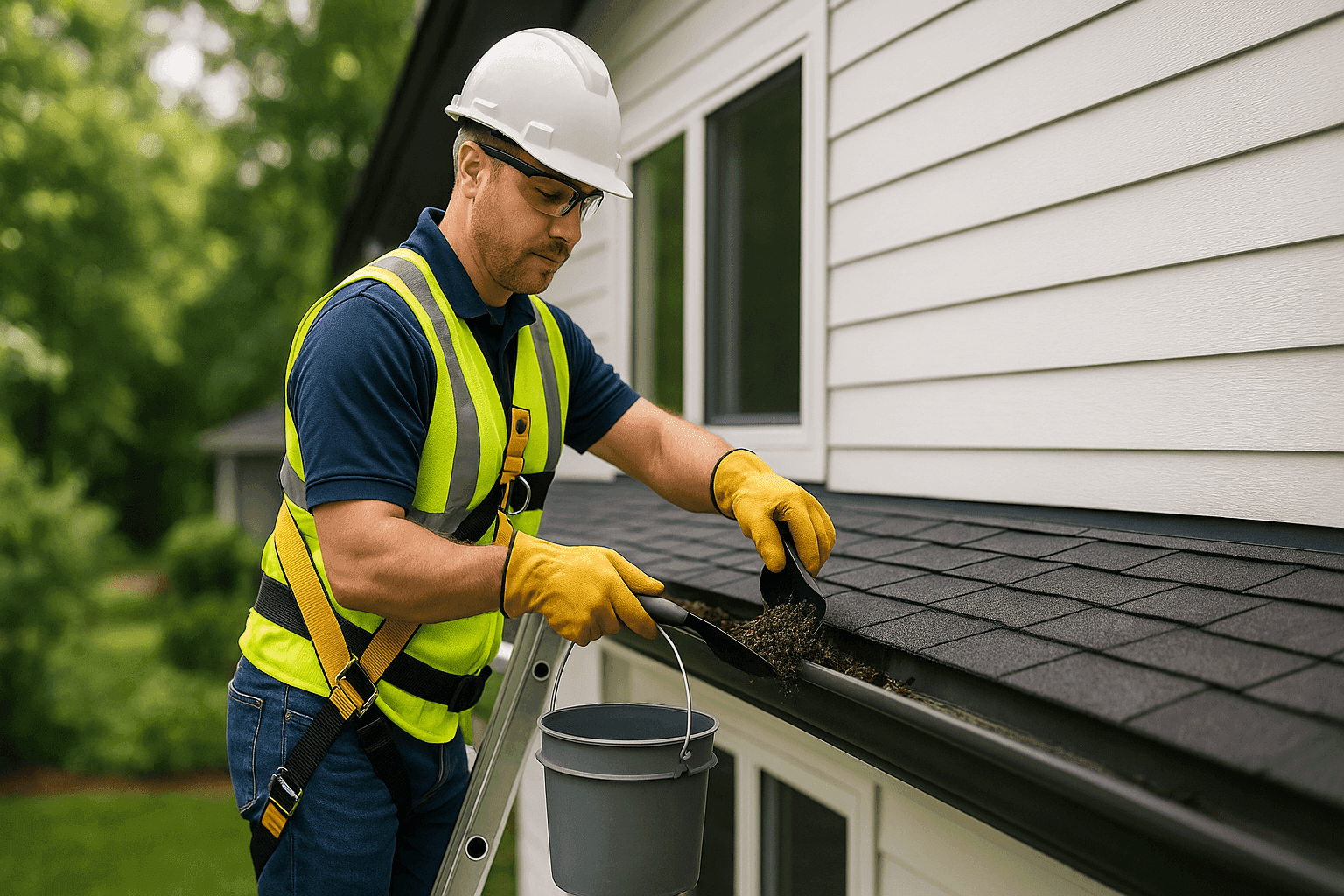
Gutters rarely get the spotlight, but when they fail, the consequences can be dramatic. A single season of neglect can turn a property’s perimeter into a moat—or worse, invite water inside. At Guru Gutter Gorilla, we know that regular gutter cleaning is the unsung hero behind dry basements, protected siding, and healthy foundations.
If you’ve ever wondered when, how, or why to clean your gutters, you’re in the right place. This is your no-nonsense guide to gutter cleaning—packed with real-world advice, safety tips, and the signals that it’s time to call in the pros.
Why Clean Gutters Matter (And the Cost of Ignoring Them)
Think of gutters as the silent sentinels guarding your property. When leaves, sticks, and debris pile up, water can’t flow where it should. The result? Overflow, leaks, and rot. According to the National Association of Home Builders, clogged gutters are among the top causes of water damage in both homes and commercial properties.
After heavy storms or a windy autumn, your gutters work overtime. Let them go too long, and you may face expensive repairs to fascia, soffits, and even interior ceilings or foundations. The message is clear: clean gutters are your first line of defense against major headaches.
Essential Gutter Cleaning Tools 🧰
Before you climb up, make sure you have the right tools in your kit. The right gear not only makes the job faster but also a whole lot safer.
- Sturdy extendable ladder (with stabilizers or standoff arms to protect gutters)
- Heavy-duty gloves (to protect from sharp edges, screws, or animal nests)
- Trowel or gutter scoop (plastic preferred to avoid scratching)
- Contractor-grade bucket or debris bag (attachable to ladder if possible)
- Garden hose with spray nozzle (for flushing out the last debris)
- Protective eyewear (because you never know what’s up there)
- Work boots or shoes with grip (slips are no joke)
Optional, but helpful:
- Gutter cleaning wand (for high or hard-to-reach runs)
- Leaf blower with narrow nozzle (for dry leaves only)
- Gutter guards or screen cleaning brush (if installed)
Safety First: Gutter Cleaning Checklist
Safety is non-negotiable. According to the U.S. Consumer Product Safety Commission, over 500,000 ladder-related injuries occur each year—many during home maintenance.
Here’s your quick safety checklist:
- Inspect ladder for damage before use.
- Set ladder on level, solid ground—never on soft soil or mulch.
- Use a ladder stabilizer to prevent crushing gutters or slipping.
- Don’t overreach; move the ladder frequently instead.
- Always have a spotter if possible.
- Wear gloves and eye protection at all times.
- Avoid cleaning during high winds or rain.
- Watch for power lines, especially near downspouts.
- Never work alone on a tall or multi-story building.
How Often Should You Clean Your Gutters?
Cleaning frequency depends on climate, foliage, and building type. Here’s a general guide:
Residential Properties
- Heavy tree coverage: 3–4 times per year (spring, early summer, fall, and late winter)
- Minimal trees: Twice a year (late spring and fall)
- Arid climates: Once a year, unless storms drop debris
Commercial Properties
- Flat roofs or large surface area: Quarterly or after major storms
- Older buildings: Add an extra inspection each year
- Near industrial zones: Monitor for buildup from dust and debris
If you see water spilling over the sides, sagging gutters, or staining on siding, it’s time—don’t wait for the calendar.
DIY vs. Call a Pro: When to Tackle It Yourself
Cleaning gutters can be straightforward, but it isn’t for everyone. Here’s how to decide:
DIY is possible if:
- Your building is single-story
- You own the right ladder and safety gear
- You feel comfortable working at heights
- There’s no visible gutter damage or animal infestation
Call a professional for:
- Multi-story homes or commercial facilities
- Gutter Hangers Replacement near you
- Steep or slippery rooflines
- Major clogs, leaks, or sagging sections
- Signs of animal nests or bee/wasp activity
- Gutter repairs, replacements, or custom solutions
What Professional Gutter Services Do On Arrival
Expect a pro team (like Guru Gutter Gorilla) to follow a proven process:
- Inspect gutters, downspouts, and hangers for damage or leaks
- Set up safety equipment (harnesses, stabilizers, spotters)
- Remove debris by hand or with specialized tools
- Flush gutters and downspouts with water to check flow
- Tighten, seal, or repair loose joints or leaks
- Suggest upgrades: gutter guards, downspout extensions, or rainwater harvesting systems
Reputable crews follow OSHA ladder safety guidelines and use commercial-grade equipment for efficiency and thoroughness.
Spotting Trouble: When to Call in the Cavalry 🚨
Not all gutter problems announce themselves with a bang. Look for these signs:
- Water pooling around the foundation after rain
- Gutters pulling away from fascia or visibly sagging
- Paint peeling or wood rot on eaves
- Persistent leaks or rust streaks
- Plants or moss growing in the gutters (yes, it happens)
- Insect or bird nests visible from the ground
These red flags mean you need more than a scoop and a garden hose. Call for Gutter Leak Repair, Downspout Installation, or Emergency Gutter Services if you’re unsure.
Prevention and Maintenance: Stopping Clogs Before They Start
A little prevention is worth a season of hassle. Here’s how to keep things flowing:
- Install gutter guards: These mesh or cover systems block most leaves and debris, cutting cleaning frequency in half.
- Trim back trees: Keep branches at least 6 feet away from roof edges.
- Check for loose hangers: Sagging gutters invite clogs and overflows.
- Flush downspouts: At least once a season, verify water flows freely through all downspouts.
- Inspect after storms: High winds and rain can fill even clean gutters in hours.
Industry standards from the National Roofing Contractors Association recommend biannual inspections at minimum for all properties.
Costs & Time: What to Expect
Gutter cleaning costs vary by building size, gutter length, and height. Single-story homes can often be cleaned in 1–2 hours, while larger or commercial buildings may take a half day or more.
Add time for extras like gutter guards, minor repairs (such as Gutter Flashing Repair or Gutter Sealing), or roof edge protection. Remember: skipping regular cleaning can lead to much bigger bills for water damage or emergency repairs.
When It’s an Emergency
Not every gutter issue can wait. Call for emergency gutter services if you experience:
- Water pouring into your home during a storm
- Gutters ripped off by wind or fallen branches
- Sudden discovery of a major clog before a big rain event
- Ice dams causing leaks into living spaces
Quick action can prevent thousands in water damage and save your landscaping, siding, and foundation.
Frequently Asked Questions
How do I know if my gutters need cleaning?
If you see water overflowing, sagging, or plants growing in the gutters, it’s overdue. Schedule a check if you can’t remember your last cleaning.
Are gutter guards worth the investment?
For most properties, yes—especially if you have lots of trees. They reduce cleaning frequency, but still require occasional checks.
Can clogged gutters damage my roof?
Absolutely. Blocked gutters can cause water to back up under shingles, leading to rot and leaks.
What’s the safest way to clean second-story gutters?
Unless you have professional-grade ladders and safety gear, it’s best to call a gutter specialist for multi-story work.
Local and Seasonal Considerations 🍁
Every region has its quirks. In leaf-heavy areas, fall is crunch time. In snow-prone zones, ice dam prevention is key—clean gutters help prevent dangerous buildup. After severe storms, always inspect for debris or damage. For commercial buildings, schedule routine maintenance just before and after the wettest months.
Rainwater harvesting systems and seamless gutters may require less frequent cleaning but still need annual checkups. Don’t let climate or building type lull you into neglect—every gutter system needs a plan.
Ready to safeguard your property and keep water woes at bay?
Call Guru Gutter Gorilla now — or reach us anytime at 877-812-7745 .