Choosing the Right Gutter Material: Aluminum, Steel, Copper, or Vinyl?
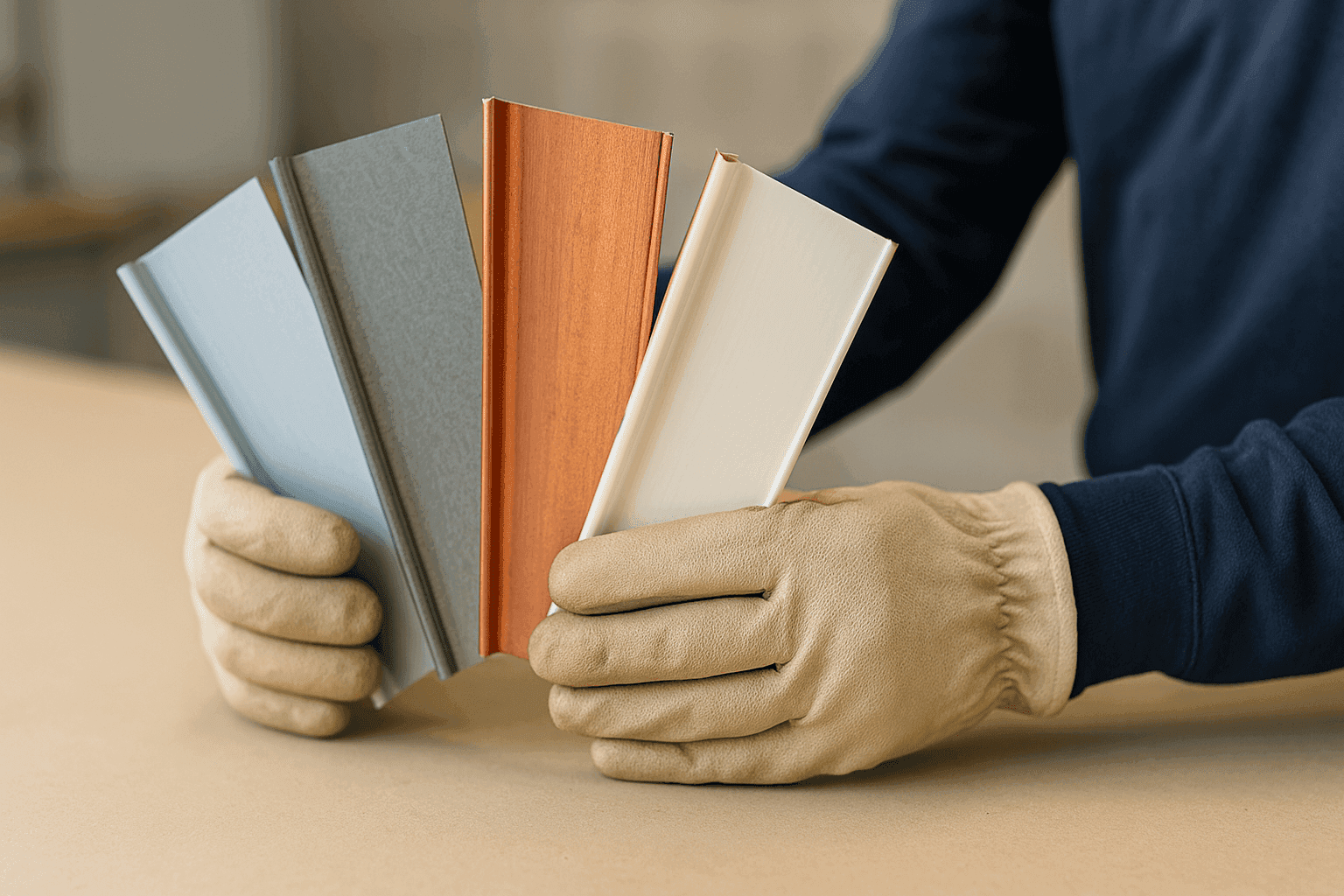
Every roof needs a good set of gutters. But not all gutters are built the same. Choosing the right material can mean the difference between years of protection and constant headaches. The right gutters protect your property, prevent water damage, and add curb appeal.
At Guru Gutter Gorilla, we’ve helped homeowners and businesses pick the best gutters for decades. If you’re staring up at your eaves, wondering whether aluminum, steel, copper, or vinyl is the way to go, you’re not alone. Let’s break it down so you can make a confident, informed choice.
Why Gutter Material Matters
Think of gutters like the tires on your car. Cheap ones might do the job for a while, but will they last through storms, snow, and the test of time? The material you pick shapes how your gutters perform, how they look, and how much maintenance you’ll deal with.
A good gutter system means peace of mind. The wrong choice? That’s a recipe for leaks, water damage, and extra repair bills.
Durability: How Long Will Your Gutters Last? ⏳
- Aluminum Gutters: Lightweight but sturdy. With proper care, expect 20–30 years. Aluminum resists rust—a big plus if you live in a rainy area.
- Steel Gutters: Tough as nails. Galvanized steel can last 15–25 years, but it will eventually rust if not maintained. Stainless steel lasts longer but costs more.
- Copper Gutters: The marathon runner. With minimal maintenance, copper gutters can last 50 years or even longer. They’re not just tough—they age gracefully.
- Vinyl Gutters: Budget-friendly, but short-lived. In mild climates, you might get 10–15 years. Extreme cold or heat can cause cracking or sagging.
Real-World Scenario:
A business with a tall, flat roof might lean toward steel for its strength. A historic home could shine with copper. A starter home on a tight budget? Vinyl could make sense, as long as you’re ready for replacements down the road.
Maintenance Needs: Set-It-and-Forget-It—or Not? 🧽
Gutters are no place for neglect. Leaves, grit, and ice can all cause trouble.
- Aluminum: Needs regular cleaning, but isn’t prone to rust. Watch for dents.
- Steel: Strong, but check for rust spots, especially after storms or if paint chips off.
- Copper: Almost maintenance-free, but clean now and then to prevent clogs. The patina is natural—don’t scrub it off unless you want that shiny look.
- Vinyl: Clean often and inspect for cracks. Sagging sections need quick fixing.
Pro Tip:
Regardless of material, consider gutter guards to cut down on debris and cleaning.
Appearance: What Looks Best on Your Property? 🎨
- Aluminum: Comes in many colors, easily painted. Fits both modern and classic styles.
- Steel: Paintable and tough, but heavier. Some prefer its more “industrial” look.
- Copper: The showstopper. Starts shiny, ages to a beautiful green patina. Popular on historic and upscale homes.
- Vinyl: Usually white or brown. Limited color choices and can fade over time.
Practical Example:
A contemporary office park might match its trim with powder-coated aluminum. A Victorian house? Nothing beats the statement copper makes.
Cost: Upfront and Over Time
- Aluminum: Middle of the road. Affordable installation, good lifespan, low maintenance costs.
- Steel: Slightly pricier to install and will need occasional painting or rust repair.
- Copper: Expensive up front—sometimes three to four times the cost of aluminum—but can outlast all others.
- Vinyl: Cheapest to buy and install, but may need replacing sooner, especially in harsh climates.
Remember:
Factor in not just the initial price, but how long you want your gutters to last and how much time (or money) you want to spend on upkeep.
Climate Suitability: Match Gutters to Your Weather ☀️
- Aluminum: Stands up well to rain and snow, but may dent in hailstorms.
- Steel: Handles heavy snow and ice best. Great for commercial buildings in cold areas.
- Copper: Unfazed by sun, rain, or snow. Excellent for both hot and cold climates.
- Vinyl: Works in mild, moderate climates. Can warp in heat or crack in freezing temps.
Tip:
If you’re in a hurricane or hail-prone area, steel or thicker aluminum may be your safest bet.
Lifespan: What to Expect
- Aluminum: 20–30 years
- Steel: 15–25 years (galvanized), 50+ (stainless)
- Copper: 50+ years
- Vinyl: 10–15 years
The numbers above are averages. Gutters that are professionally installed and maintained can last even longer.
Eco-Friendliness & Customization
- Aluminum: Highly recyclable and available in seamless options.
- Steel: Also recyclable, and strong enough for custom shapes.
- Copper: Fully recyclable, and its long life means fewer replacements.
- Vinyl: Not easily recycled. Limited customization, but quick to install.
For the Environmentally Minded:
Aluminum and copper gutters both have a small environmental footprint, especially if you opt for recycled materials. Rainwater harvesting systems are compatible with most gutter types—ask about this during installation.
Matching Material to Your Needs: Residential & Commercial
Residential Example:
A family in a leafy suburb may go with seamless aluminum for low hassle and color matching. If you have an older home and want to boost curb appeal, copper is a classic choice.
Commercial Example:
A warehouse with a large, flat roof often needs steel gutters to handle runoff and withstand impacts from snow or debris. Rental properties may lean toward vinyl for quick, inexpensive fixes, but should consider longer-lasting materials for fewer headaches.
Addressing Common Misconceptions
- “All gutters are the same.”
False. Material affects everything—looks, longevity, and safety. - “Copper is too expensive for anyone but mansions.”
Not always true. The long lifespan can make copper a smart investment for many. - “Vinyl is maintenance-free.”
No gutter is truly maintenance-free. Even vinyl needs regular checks.
Why Professional Installation Matters
No matter what material you pick, installation is key. Poorly installed gutters can sag, leak, or even pull away from your roof. That leads to water damage, mold, and bigger repair bills.
Professional installers follow manufacturer specs and local building codes (like those from the International Code Council). They’ll ensure your gutters are sloped correctly, securely fastened, and able to handle your local rainfall.
Quick Safety Checklist for Gutter Installation 🦺
- Always use a sturdy ladder with stabilizers.
- Wear gloves to protect from sharp edges.
- Never work alone—have a spotter.
- Use eye protection, especially with steel or copper.
- Be aware of power lines and overhead hazards.
If you're ever unsure, call a pro. Safety first.
DIY vs. Call a Pro
Some handy homeowners tackle vinyl or aluminum gutters themselves. But steel and copper? They’re heavy, require special tools, and missteps can cost you.
DIY might be okay if:
- You’re comfortable on ladders and know basic carpentry.
- Your home is one story.
- The gutter run is short.
Call a pro if:
- The roof is steep or high.
- You want seamless gutters.
- You’re using steel or copper.
- There’s existing water damage or tricky roof lines.
What Pros Do On Arrival
- Inspect your roof and fascia for damage or rot.
- Measure your home or building for precise gutter lengths.
- Advise on the best material for your needs and budget.
- Discuss options like gutter guards, downspout extensions, or rainwater harvesting systems.
- Install gutters to code, test water flow, and clean up.
Prevention & Maintenance Tips
- Clean gutters at least twice a year, or more often if you have heavy tree cover.
- Check for leaks, rust, or sagging sections after big storms.
- Trim back overhanging branches to reduce debris.
- Consider gutter guards to keep leaves and animals out.
- Schedule regular inspections, especially for commercial properties.
Costs & Time Factors
- Aluminum: Moderate price, quick install (a day or less for most homes).
- Steel: More costly, may take a little longer to install.
- Copper: Highest cost, but installation is similar to other metals.
- Vinyl: Cheapest and fastest to install, but may require more frequent replacement.
Time tip:
Replacing gutters on an average home usually takes less than a day. Larger or commercial projects can take longer, especially if custom work is needed.
When It’s an Emergency
If you spot water pouring over your gutters, sagging sections, or water pooling near your foundation—don’t wait. Water damage moves fast. Emergency gutter services can prevent even bigger (and costlier) repairs later.
Common emergencies:
- Gutters pulling away from the roof.
- Major leaks after storms.
- Ice dams or snow buildup.
- Clogged downspouts causing overflow.
FAQ
Q: Are seamless gutters worth it?
A: Yes, especially with aluminum or copper. Fewer seams mean fewer places to leak.
Q: Can I mix materials?
A: It’s not recommended. Different materials expand, contract, and age at different rates. Mixing can cause leaks or mismatched looks.
Q: How often should gutters be cleaned?
A: Twice a year is standard (spring and fall). More if you have lots of trees nearby.
Q: What’s the best gutter for heavy snow?
A: Steel or heavy-gauge aluminum handles snow and ice best. Use proper hangers for strength.
Local & Seasonal Considerations 🌨️
- In snowy regions, strong hangers and steel or heavy aluminum gutters stand up to ice loads.
- In hot, sunny climates, avoid vinyl—heat can warp it.
- Near the coast? Aluminum and copper resist salt air corrosion better than steel.
- In leafy suburbs, gutter guards can save you hours of cleaning.
Final Thoughts: Informed Choices Last
Gutters are a small detail with a big impact. The right material means fewer headaches, lower repair bills, and a property that stands up to the seasons. Don’t let old myths or quick fixes steer you wrong—take your time, weigh your options, and always consider professional installation.
Call Guru Gutter Gorilla now — or reach us anytime at 877-812-7745 .